
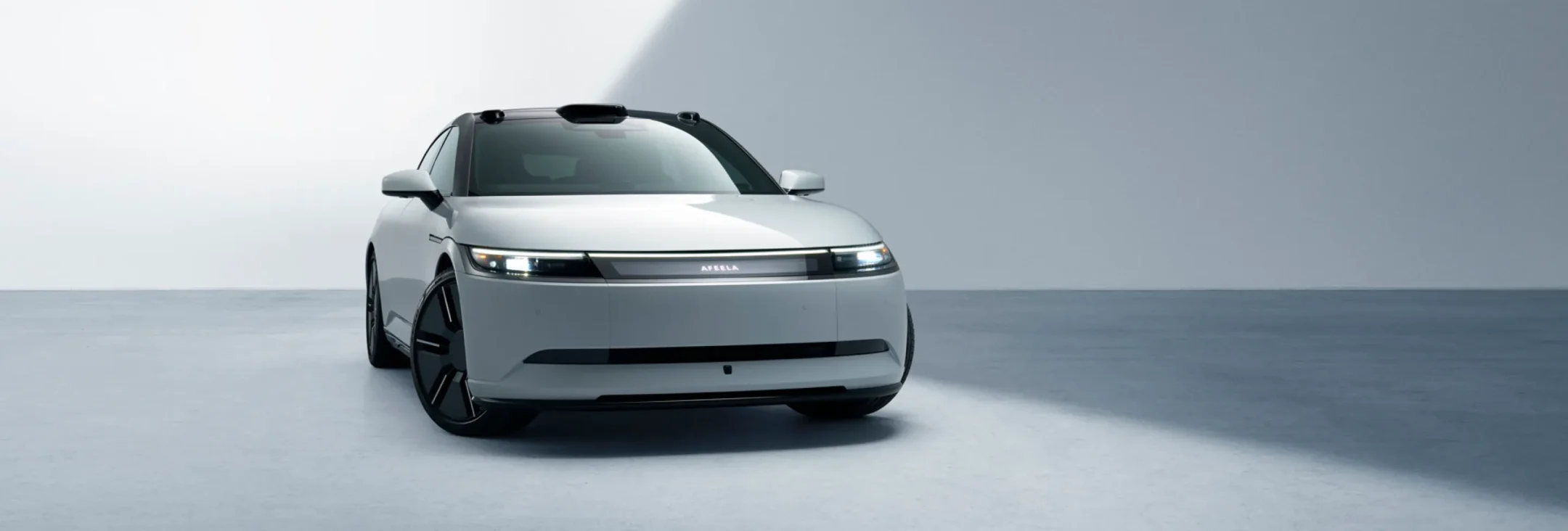
Imagine two giants from different worlds teaming up to build something revolutionary. That’s exactly what happened when Honda, the car-making powerhouse, joined forces with Sony, the entertainment and tech wizard. Their creation? Afeela, a sleek electric vehicle that blends driving prowess with cutting-edge fun. This partnership didn’t just happen overnight. It stemmed from a shared vision to redefine mobility in an era dominated by EVs. Afeela represents more than a car—it’s a bridge between automotive reliability and digital innovation.
In the first paragraph alone, you see how Afeela ties into the core of this story. But let’s dive deeper. Why did these companies unite? The answer lies in the shifting tides of the auto industry and the rise of smart, connected vehicles.
Honda’s Legacy in Mobility
Honda has long stood as a leader in reliable transportation. Founded in 1948 by Soichiro Honda, the company started with motorcycles before expanding into cars. Today, Honda sells millions of vehicles worldwide each year. Their engines power everything from family sedans to high-performance racers.
However, the EV boom challenged Honda. Traditional gas-powered cars faced pressure from stricter emissions rules and consumer demand for greener options. Honda knew they needed to adapt quickly. They had expertise in manufacturing and safety, but lacked deep roots in software and entertainment systems. That’s where the idea of partnering emerged.
For instance, Honda’s early EV efforts, like the Clarity, showed promise. Yet, they realized solo ventures might not cut it in a tech-heavy future. Instead, they sought allies to boost their game.
Sony’s Tech and Entertainment Empire
On the other side, Sony thrives in electronics and media. Since 1946, they’ve innovated with products like the Walkman, PlayStation, and high-end cameras. Sony’s strength lies in sensors, audio, and software—perfect for modern cars.
But why enter the auto space? Sony saw vehicles as the next big canvas for their tech. Cars could become rolling entertainment hubs. Think streaming movies or gaming on the go. Sony had dabbled in mobility before, like with their Vision-S concept in 2020. That prototype hinted at their ambitions.
Moreover, Sony aimed to expand beyond gadgets. The EV market offered a chance to integrate their ecosystem. PlayStation integration? Check. Advanced cameras for autonomy? Absolutely. Sony brought the “wow” factor Honda needed.
The EV Market: A Perfect Storm
The electric vehicle landscape set the stage for this union. By 2022, EVs surged in popularity. Tesla led the charge, but others like Ford and GM followed suit. Governments pushed for zero-emissions by 2035 in many places.
Honda felt the heat. Their gas vehicles dominated, but EV sales lagged. Sony, meanwhile, spotted an opportunity. Cars needed better infotainment and autonomy. Traditional automakers struggled with software, while tech firms lacked manufacturing scale.
Consequently, a partnership made sense. Honda provided factories and engineering. Sony added sensors and digital magic. Together, they could compete in a crowded field.
In fact, analysts noted this trend. Joint ventures became common, like GM and LG for batteries. Honda and Sony followed suit, announcing their tie-up in March 2022.
Birth of Sony Honda Mobility
So, what sparked the actual collaboration? It started with talks in 2021. Honda wanted tech savvy; Sony craved real-world application for their ideas. By September 2022, they formed Sony Honda Mobility (SHM), a 50-50 venture.
The goal? Develop EVs that “move people emotionally.” They aimed for affinity—hence Afeela’s name, derived from “feel.” This wasn’t just about transport; it was about experience.
Additionally, the timing aligned with global shifts. Post-pandemic, consumers craved connected lifestyles. Cars evolved into smart devices. SHM tapped into that.
For example, at CES 2023, they unveiled the Afeela prototype. It wowed crowds with its futuristic design and tech. This marked the partnership’s public debut.
Introducing Afeela: The First Fruit
Afeela burst onto the scene as SHM’s flagship brand. The Afeela 1, their debut sedan, enters pre-production in 2025. Deliveries start in the US by 2026.
What sets Afeela apart? It’s not your average EV. Priced from $89,900, it targets premium buyers. The base model offers 300 miles of range on a 91-kWh battery. Dual motors deliver 483 horsepower, hitting 60 mph in under five seconds.
But performance isn’t everything. Afeela shines in tech. Forty sensors, including LiDAR and cameras, enable Level 2 autonomy now, with Level 3 upgrades later via over-the-air updates.
Inside, a panoramic screen spans the dashboard. Passengers enjoy movies, games, or navigation seamlessly.
Blending Tech and Driving: Afeela’s Features
Let’s break down Afeela’s innovations. Sony’s influence shows in entertainment. Integrate your PlayStation for gaming on the go. Dolby Atmos audio turns rides into concerts.
Honda handles the hardware. All-wheel drive ensures grip. Sustainable materials make up 70% of the interior, appealing to eco-conscious folks.
Furthermore, Afeela uses Qualcomm’s Snapdragon for brains—800 TOPS of power for AI tasks. This handles everything from voice commands to safety.
Safety stands out too. Forty cameras and sensors spot hazards. Native NACS charging plugs into Tesla’s network, hitting 150 kW speeds.
In addition, exterior displays communicate with pedestrians. A yoke steering wheel adds a futuristic touch.
Design Philosophy: Form Meets Function
Afeela’s look turns heads. A fastback silhouette keeps it aerodynamic. Hidden door handles and a full-width LED bar give a clean vibe.
Inside, minimalism rules. Alcantara headliners feel luxurious. Facial recognition unlocks the car—no keys needed.
However, it’s not all flash. Honda’s engineering ensures reliability. Built in Ohio at Honda’s plant, quality stays high.
Compared to rivals, Afeela competes with Lucid Air or Tesla Model S. Yet, its entertainment edge sets it apart.
Market Impact and Challenges
How will Afeela fare? The EV market grows, but competition is fierce. Tesla dominates, with 50% US share. Newcomers like Rivian struggle with production.
Nevertheless, Afeela has advantages. Sony’s brand draws tech fans. Honda’s dealer network aids sales.
Recent partnerships help too. SHM teamed with Urgently for roadside aid and HERE for maps. These boost user experience.
Still, challenges loom. High prices might deter buyers. Supply chain issues plague EVs. Plus, autonomy regulations vary by region.
Despite that, experts predict success. SHM plans more models, like an SUV.
Future Prospects for Afeela and Beyond
Looking ahead, Afeela could expand globally. Europe and Asia follow US launches. SHM eyes autonomous features, perhaps Level 4 in cities.
Moreover, integration deepens. Imagine Afeela syncing with smart homes or Sony devices.
The partnership might inspire others. Tech-auto crossovers could become norm.
Ultimately, Afeela symbolizes evolution. As EVs advance, such unions drive progress.
In summary, Honda and Sony’s alliance birthed Afeela from necessity and vision. It merges worlds for a brighter mobility future.
To conclude, this venture shows collaboration’s power. What will the future hold if more companies team up? Only time will tell, but Afeela paves the way.
As we move forward, opportunities abound. Let us embrace these changes for sustainable drives.
Leave a Reply